-
 Email Us justwellautomation@qq.com

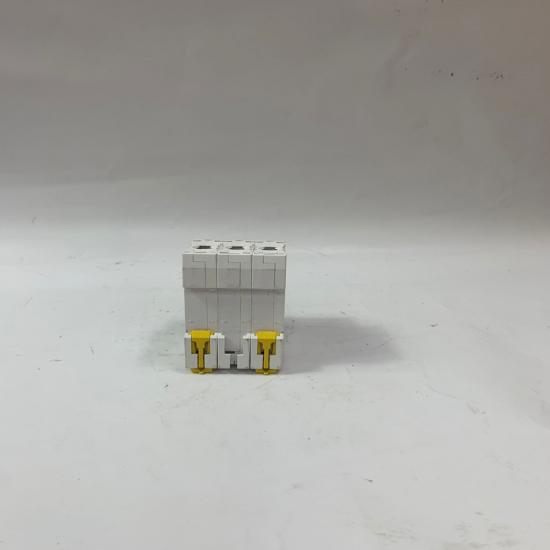
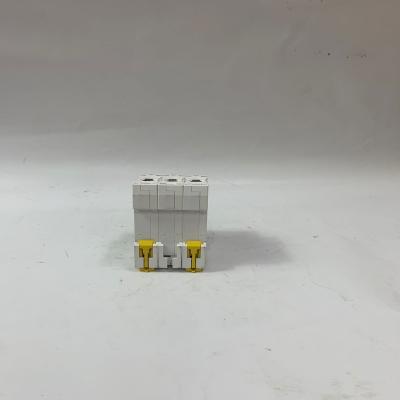
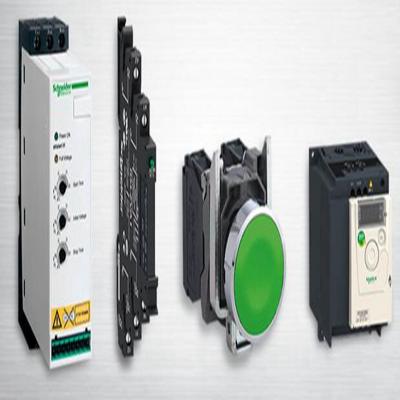
SCHNEIDER A9F44110 Acti9 Miniature Circuit Breaker
Item NO.:
A9F44110Payment:
T/TPrice:
$650Product Origin:
JapanColor:
NEWProduct weight:
0.21KGLead Time:
In stockWe will arrange delivery within 3-5 days after receiving the payment.
Our express delivery: DHL and FedEx.
Quality packing for each product
Destination country all taxes & duty to be paid by buyer
Only part of the brand and model, if you have other product needs, please contact us.
|
SCHNEIDER A9F44110 Acti9 iC60N Miniature Circuit Breaker |
|---|
The Schneider Electric A9F44110 is a single-pole miniature circuit breaker from the Acti9 iC60N series. It provides reliable protection against overloads and short circuits in low-voltage electrical distribution systems. Featuring a C-curve thermal-magnetic trip mechanism, it is suitable for industrial and commercial electrical installations.
|
Parameter |
Description |
|---|---|
|
Brand |
Schneider Electric |
|
Model |
A9F44110 |
|
Product Series |
Acti9 iC60N |
|
Product Type |
Miniature Circuit Breaker (MCB) |
|
Rated Current |
10 A |
|
Number of Poles |
1P |
|
Trip Curve |
C |
|
Rated Voltage |
240 V AC |
|
Frequency |
50/60 Hz |
|
Breaking Capacity |
6 kA (IEC 60898-1, 240 V AC) |
|
Industrial Breaking Capacity |
10 kA (IEC 60947-2, 220–240 V AC) |
|
Trip Technology |
Thermal-Magnetic |
|
Rated Insulation Voltage |
500 V AC |
|
Impulse Withstand Voltage |
6 kV |
|
Mounting |
35 mm DIN Rail |
|
Protection Rating |
IP20 |
|
Dimensions |
85 × 18 × 78.5 mm |
|
Weight |
Approx. 0.125 kg |
Provides overload and short-circuit protection.
Single-pole compact design.
C-curve thermal-magnetic tripping mechanism.
VisiTrip fault indication for quick troubleshooting.
VisiSafe technology for enhanced maintenance safety.
Supports optional auxiliary and residual current protection accessories.
Easy DIN rail installation.
Industrial electrical distribution systems.
Commercial power distribution panels.
Factory automation equipment.
Electrical control cabinets.
Low-voltage circuit protection.
Verify rated current, voltage, and breaking capacity before installation.
Confirm compatibility with the electrical system.
Installation should be performed by qualified electrical personnel.
 All Categories